
Build a Zero-Base Budget
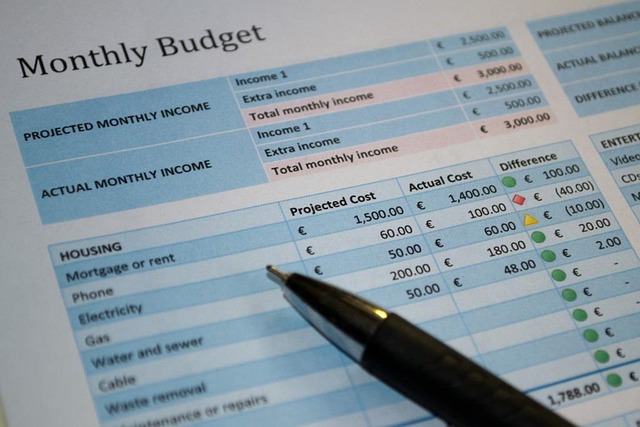
Do you like to spend what you make? That is what a zero-based budget is. Only you do it on paper, before you get paid.
The hope is you consider all possible spending choices and limit the spending to what goes into your checking account. And that you treat your savings account as a bill to be paid first!
I am referring to this being a “Reverse Budget” because when your spending gets near your income limits you need to put your spending plans in reverse!
I will explain as I cover various elements of this budget format.
Make Saving a Game
For personal financial management, there is nothing more important than savings. A savings account is the cushion you need for traumatic financial hits. And, as you build your savings account, you will have better options for funding self-improvement and making investments to fund your future financial needs.
Once you can give your savings account the respect it deserves, you can find ways to make saving both fun and convenient. And budgeting can help.
First, for your convenience, when you have your paycheck direct deposited into your bank account, allocate ten percent of your net pay to go directly into your savings account.
Second, in connection with a discipline game, when you get cash out do it in $20 bills. Then, when you break a $20 bill, put a $5 bill into a cash box or other safe storage of choice. You will be surprised at how fast you can accumulate cash for special occasions by playing this game!
Envelopes for Reality
I know that email has limited how much you send letters by the US Post Office. So, make use of those boxes of envelopes laying idle around your home office.
When you establish an amount for each spending category, based on your income, write the amount on an envelope you set up for each one. Then, as you spend in that category, put the receipt or make note of the amount spent and deduct from the budget amount to see what is available to spend.
Maybe you will prefer to just use sheets of paper or an Excel spreadsheet. But the important thing is to make note of what you spend against what you have allocated to spend. Of course, there are apps for that, along with a fee to use them.
The key is to never go negative in your spending in any category!
Therefore, if you are close to going negative in a category, you must do a reversal. That is, take an allocated amount from another category to add to the category of concern to prevent that spending from going over the zero-based budget allocation.
The reversal effect comes when the category you borrowed from will now be more limited. That category must not go negative either!
This process paints a picture of your reality if you want to be successful with your budget.
Fine Your Fun Fund
Most budget advisors will encourage you to include a category for fun. You might call it your “Fun Fund” or just “Miscellaneous”.
However, when you have a needed spending category nearing zero, you must draw down your allocated amount for fun. You will pay more attention to changes you need to make in your budget if you make it hurt. And having less fun hurts!
Debt Must Go
Debt may represent a hole in your budget. And, to close that hole, you must reverse your practice of spending more than your income.
Any debt must be paid off as soon as possible! Years of experience have proven to me that incurring debt is the avoidance of reality.
Debt is a bill not paid because you could not afford to pay in cash. What makes you think you can afford to pay for it in the future?
Your financial security is at risk when you incur debt. Jobs can change or be eliminated. Then what? You must learn to proceed with caution when you are tempted to commit to a loan and the interest expense that comes with it. Are you saving on a sales price? Maybe the interest charges will eat your savings!
Refine Your Living
There are so many cool and pretty things available to us these days, along with easy financing.
But we have our reality. Do you know what you can afford?
A budget will help you see your limits. And a “Reverse Budget” will help you understand what your priorities should be to keep your financial life under control.
Most of us hate to wait!
However, like any good business does, you need to take your personal business seriously and be the Controller! Plan your spending. Watch your cash flow. Know what and when cash comes in and why and when it goes out.
If you want to spend more, then make more money. But remember to save ten percent of your increased pay too!
Improve your skills, including cooking skills to save on your food allocation.
Read instead of paying for streaming services.
Learn to get by with what you can afford in housing, furniture, and vehicles. Reverse your overspending!
Make Fun Plans
I firmly believe that daily planning helps us live smarter. The act of planning forces you to consider what needs to be done and by when, which saves a lot on panic moments!
Do include fun in your plans. That will make you more aware of your spending habits and mistakes when you have to “Reverse” the allocated amount in your “Fun Fund”. No funding for fun will hurt!
Sacrifice for Fun
If nothing else, the main lesson in a “Reverse Budget” is that you must avoid overspending and learn how to sacrifice in other categories to salvage your “Fun Fund”.
Budgeting is more enjoyable and satisfying when you can control spending in variable spending categories, like Eating Out. Then you can “Reverse” an amount in that category and add to your “Fun Fund”!
Assumptions and Plans
Very few days go as planned. And very few budgets go as planned. That is why saving is a priority.
When a car repair forces you to use a credit card, then you have not planned well or budgeted for maintenance. If you truly budget for maintenance, you will include that budgeted provision amount as an addition to your savings deposit before spending for the rest of your budget begins.
“When we fail to plan, we plan to fail.” Though the origin of that phrase was tied to Benjamin Franklin, Zig Ziglar often used it in his sales seminars. Take that to heart! Emergencies of all kinds will come. Some are family crises. Some are unplanned maintenance. However, if you plan for them by saving, then they are no longer threats to your financial strength. They are merely a bump in the road that your shock-absorbing savings account can handle.
That is how you will be able to continue with fewer interruptions on your road to success!
Make Your Future Brighter
By letting debt accumulate with payments causing you stress, your view of the future gets clouded and that will add to your feelings of insecurity.
Reverse those feelings by focusing on a “Reverse Budget”. Limit your spending and increase your savings. And make plans for paying off your debt.
The formula is simple. Sacrifice to save and pay off debt. Treat savings as the cushion against hard times that can dim your plans.
A savings account will become the ladder that helps you see farther into the future. And the view will be much brighter