
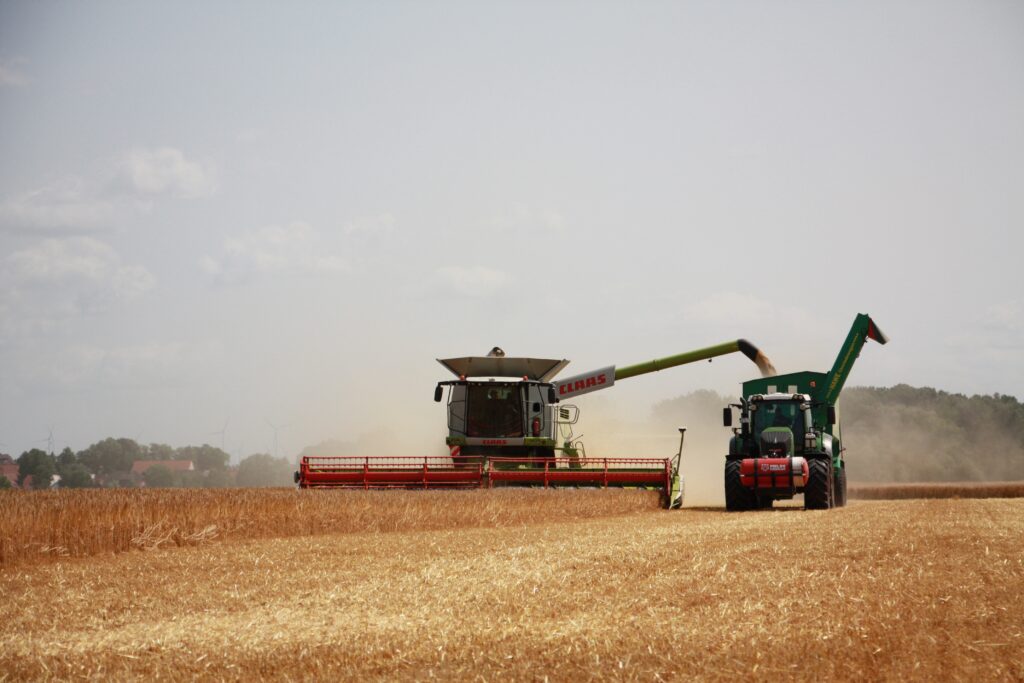
Farmers and Developers
Farmers and Developers see the value of land. They invest based on long-term plans.
Most investments have a lower cost consideration than land. That is why saving for that type of investment will be part of your long-term plans.
Most successful farmers have inherited their land, which allows them to buy or lease more land for increased production with crops or livestock.
Developers start small and rely heavily on financial backing from banks and investors. They are hoping all goes well. And, with success, they can help finance their next project.
Farmers and developers may appear to be in a better position than you to see the value in land. However, if you are willing to consider other options, you may find some ideas that can help you see the value of land as an investment.
Land Is Slow to Grow
Investing in land will require patience. Most land values will grow slowly. The use of the land will determine its current value to you.
Most people who own a home only consider the land portion of real estate when the lawn needs mowing.
Remember, houses can be moved but the land cannot. Land is easily misused or contaminated. I hope you take good care of your land.
Wells or city water, a source of electricity, and sewage systems are very important elements to know about when you consider how you will use the land that can become your investment.
Possible Uses for Your Land
Before you get too excited about what you can do with land you might buy, you must check with government authorities for the usage code. Violations of usage code can be expensive!
Developers know this concern very well. They must go before a city council or a county board to define how they will develop the land and get approval to change the allowed legal parameters for usage.
However, unless some neighbors complain, the city or county will approve the changes to code that you request if they will benefit from additional tax revenue.
Now, after waving that caution flag, I am asking you to use your imagination. Your options will vary depending on your land parcel size and the location. Of course, the classification for use will be revealed when you prepare to purchase any property.
As a tip, I suggest your land use options will be greater if you have the land free of any debt.
Simple uses for small plots of land could include a garden to raise vegetables for personal use or as big as a truck garden to supply a stand at a farmer’s market. Or you could rent it for a variety of uses including parking vehicles. But be sure to have a written contract to retain legal rights to the land use. I am as disappointed as you are that not all people can be trusted.
Of course, value and use options can grow as the size of the land parcel grows. But do not forget the old real estate adage, “Location, location, location!”
Locate a Location
How you use land depends a lot on how you access it. Therefore, available transportation conveyance can affect the value or how you make it available. Conveyance relates to roads, airports, or railroad tracks.
Few of us want to live near railroad tracks now. But history books reveal how towns and settlements begged for railroads to be built near their location. Most major cities had rapid growth in their early years thanks to the traffic and freight capacity of the railroads.
Later, road building boomed with the invention of motorized vehicles. That was a great help to agriculture. And many small towns grew by offering services to farmers and many growing manufacturers.
The Interstate Highway System has helped to grow our economy, with truckers able to drive for hours without stopping, unlike the U.S. Highways that go through many small towns with stop lights. The small towns have suffered greatly with traffic bypassing their communities.
With that history lesson, you have some sense of how traffic can affect land use. It is important that you pay attention to history, especially the history of real estate use in your area of interest.
Business and government investments can influence how land is developed or eventually used. Maybe attending city council meetings or county board meetings can lead to crucial information to plan where to buy land for your financial future.
I know that sounds like a lot of work. But there are some other factors to keep in mind when looking for property to consider for investment.
First, terrain may be a factor. Rivers and hills can help or hinder, depending on the intended use. Fields and forests can seem to have conflicting usage. However, sometimes they can be complementary.
Second, keep in mind that highways or other avenues of access are important to factor in. Many counties have rules about access, such as the fact that a parcel of land must have a road on at least one side of the property. That would mean that when planning to sell off small sections of a larger parcel of land, the sale would have to include new roads being built.
Now that you understand some of the dynamics of buying land and finding locations that might grow in value, you will have better instincts for finding a good location for investing in land!
Allow for Civilization Growth
While you are listening to declarations from various government budget plans that include land development, you can make your own observations about city growth, housing developments, and industry coming to your area.
That is a part of civilization. People need to make a living to buy a home and feed a growing family. Some things do not change.
Plant Ideas for Future Growth
I know that you may not have any interest in farming or becoming a property developer. However, land has value and could make a great investment.
Land should be considered a long-term investment that can lead to many potential income options as well. What about those storage units and RV Parks?
Learn About Maintenance
There is a popular investment plan related to rental properties and land. Much of the foundational costs related to the utilities have been added to the price when you purchase rental property, such as the building and roads.
One caution is to note the age of the building and the maintenance history. Some educated observations will help. I say that because once you own the property you are responsible for fixing any problems!
Good Things Can Grow
Houses have the potential to grow in value, as they have in recent years, especially if they are in a good location. But good maintenance and improvements will assist with the value observed by potential buyers.
Imagine the value to the recent retiree or their heirs with a paid-for house that has been well-maintained, potentially as low-cost shelter for years or to be able to fund retirement travel plans!
Or think about the land that you might not make use of while you are buying it but your heirs will have options they can grow with, along with the land’s value!
Invest in Land for Long-Term Growth
When you manage to build a better mindset for money, saving money will have a priority in your budget. That saving habit will make paying debt easier and an obvious benefit to you. Then, once your savings grow, you can focus on investing.
There are many options for investing that can generate a faster return. But if you have larger amounts to invest and a longer timeline in your plans, I would like you to consider the value of land.